 Nextra
Journal
How-tos for the tools, structural engineering and FEM notes, new technology, and what we have built.
How-to21 Nov 2026
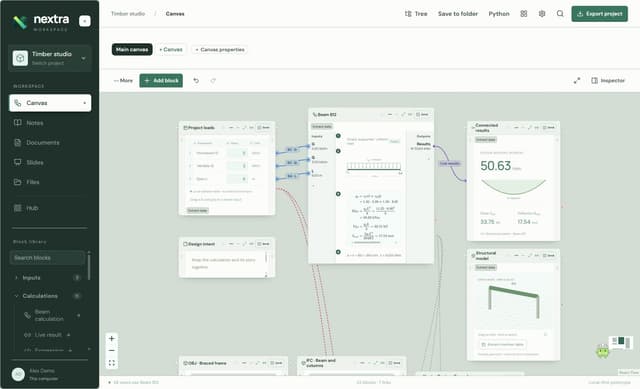
Nextra Workspace: one place for calculations, 3D models and the report (coming soon)
The hub of the Nextra tools: a canvas for cards, engines and 3D models, and a LaTeX report that reads their live values. Not released yet; here is what it does.
Using the toolsNew technologyWorkspace
How-to21 Nov 2026
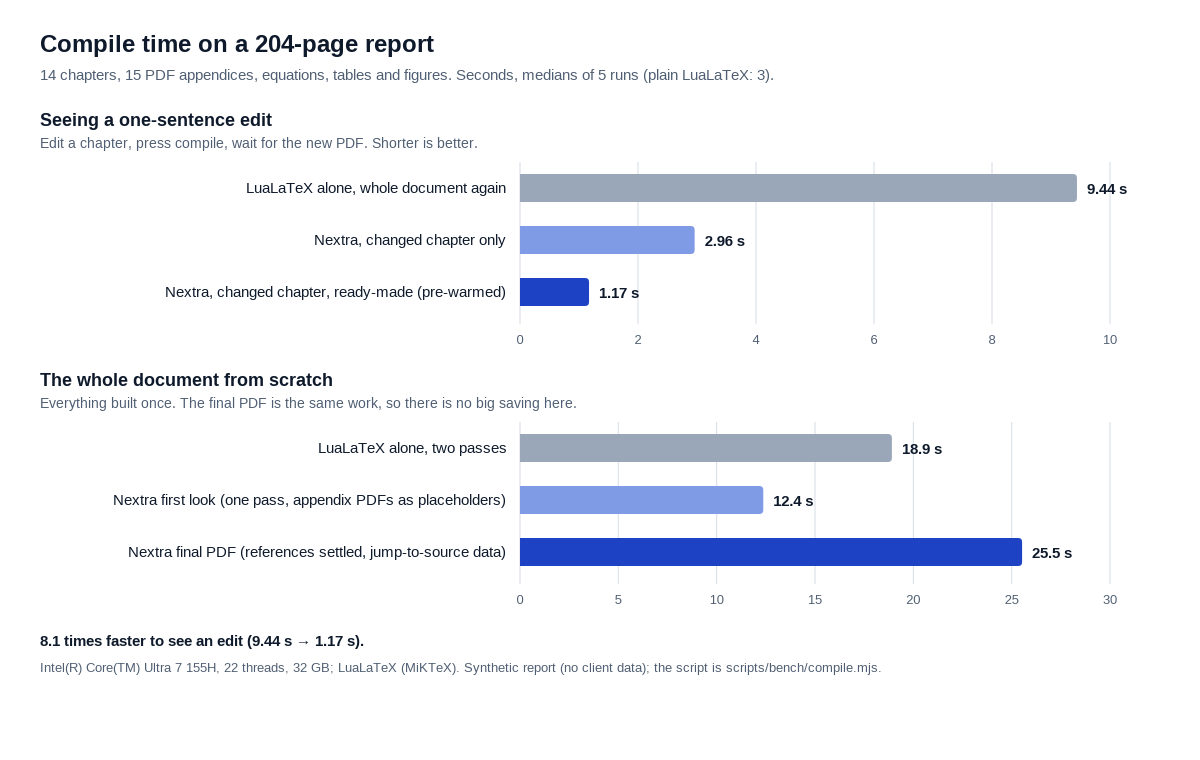
A 204-page report: see an edit in about a second
We built a synthetic 204-page LaTeX report and timed plain LuaLaTeX against Nextra Workspace: 9.44 s to see an edit, 1.17 s with Nextra. And where it is not faster.
Using the toolsNew technologyWorkspace
How-to21 Nov 2026
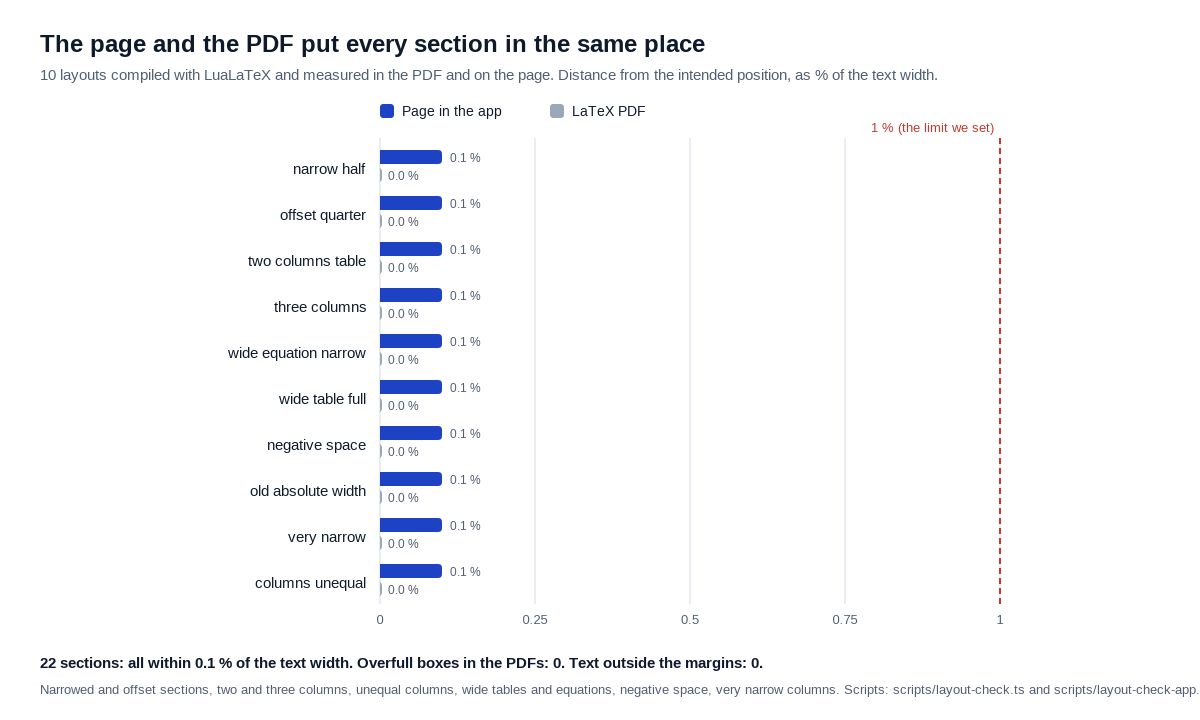
The page and the PDF put every section in the same place
A report that looks one way on screen and another in the PDF is a trap. We measured 22 sections in 10 layouts: all within 0.1 % of the text width, in the app and in the PDF.
Using the toolsNew technologyWorkspace
How-to21 Nov 2026
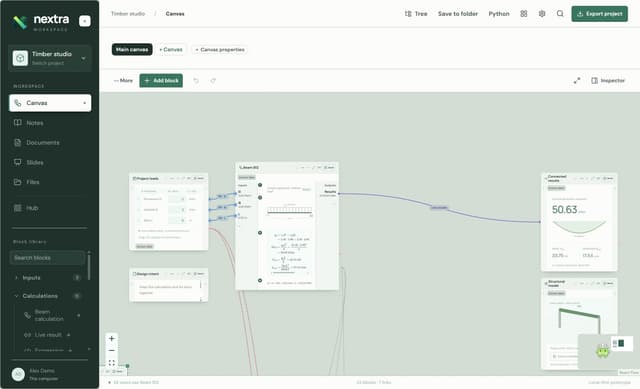
A 3D model next to the calculation that uses it
Open an IFC, an OBJ or a structure graph on the Nextra Workspace canvas, orbit it, maximize it to the whole page and wire it to the cards that read it.
Using the toolsNew technologyWorkspace
How-to21 Nov 2026
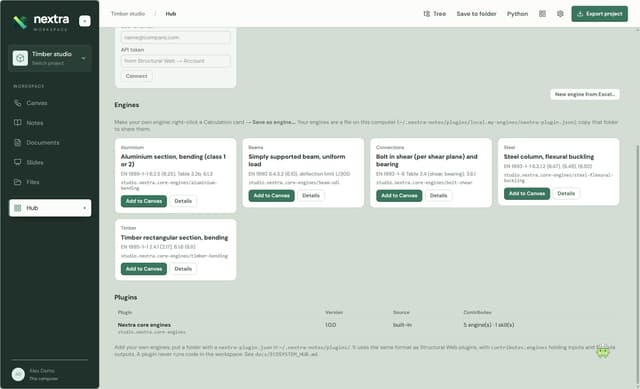
Make an engine from a calculation card or an Excel sheet
The Hub in Nextra Workspace lists ready engines. You can add your own: save a card as an engine, or turn an Excel sheet into one. Engines are plain files.
Using the toolsNew technologyWorkspace
How-to20 Nov 2026
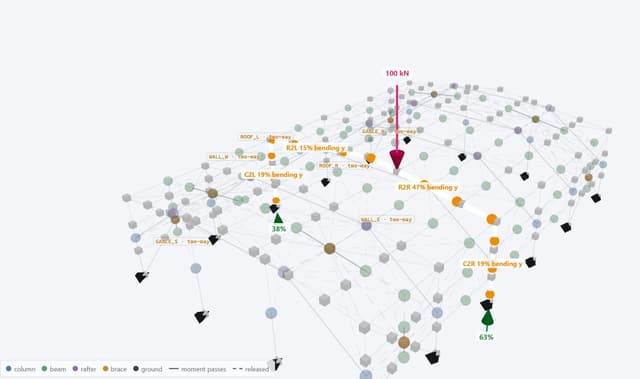
A model an AI can read: the structure graph in nextra.structuralweb
Every model is also a graph of members and connections, in 2D and 3D: push a load and watch its path, and see the 1,400 characters an AI assistant reads instead of 3D geometry.
Using the toolsNew technologyStructuralweb
How-to20 Nov 2026
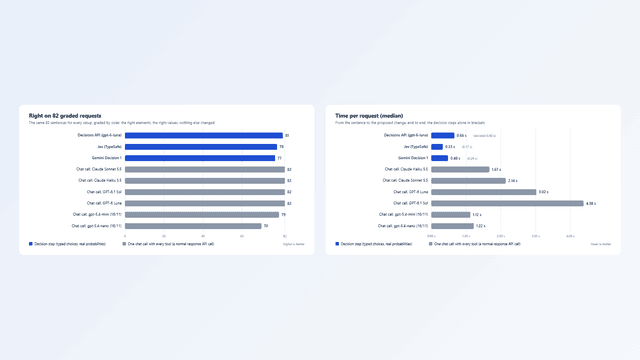
Decisions, not chat: the same accuracy as a chat call, 3 to 7 times faster, 3 to 95 times cheaper
The same 82 graded requests, answered by decision APIs and by one normal chat call on Claude Sonnet 5.5, Claude Haiku 5.5, GPT-6.1 Sol and GPT-6 Luna: accuracy, time per request and cost, with charts.
Using the toolsNew technologyStructuralweb
How-to20 Nov 2026
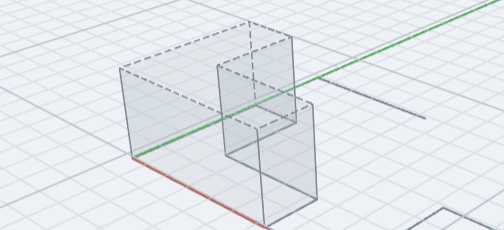
Draw first, decide later: plain geometry, geometry operations and a Rhino-style gumball in nextra.structuralweb
Lines and outlines with no material until you assign them; offset, fillet, booleans, extrude, revolve and more; and a gumball that moves, rotates, extrudes and WireCuts, with typed values, on a computer and on a phone.
Using the toolsNew technologyStructuralweb
News20 Nov 2026
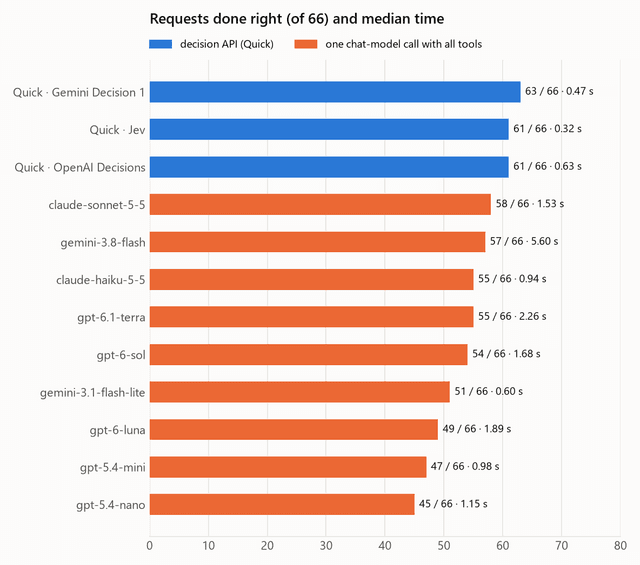
The decision API in Rhino, measured against Luna, Sol, Haiku, Sonnet and Gemini: more right, faster, cheaper
We graded Nexiy’s assistant on 66 Rhino and Grasshopper requests against nine chat models. Quick mode with a decision model got up to 63 right in under half a second, for under a dollar per thousand requests; the best single call (Claude Sonnet) got 58 at $26.63.
New technologyRhino & Grasshopper
How-to20 Nov 2026
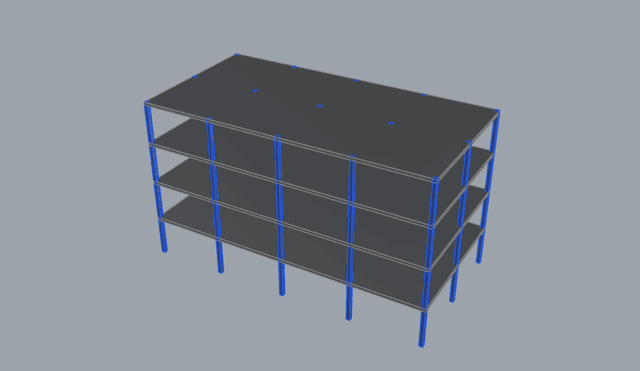
A four-storey massing and its slab volume, by asking in Rhino
One sentence in Nexiy’s panel built 15 columns and 4 floor slabs in 13 seconds; a second sentence measured the slabs: 298.89 m³. LLM mode, your own OpenAI key, every step undoable.
Using the toolsRhino & Grasshopper
How-to20 Nov 2026
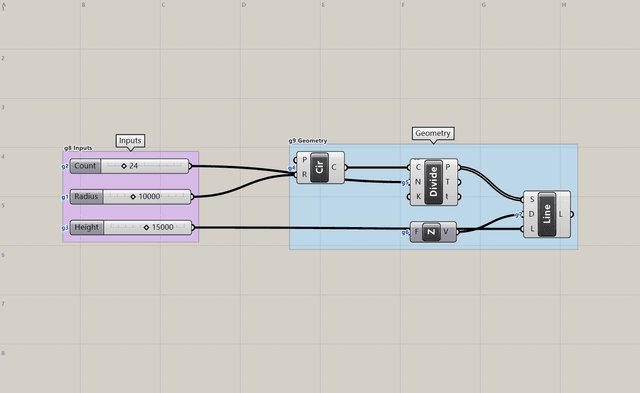
A Grasshopper definition from one sentence, with your own Claude Code
In CLI mode, Nexiy’s panel hands your request to Claude Code on your own computer. One sentence became a grouped, tidied Grasshopper definition with 24 baked lines, in 17 seconds and no API key.
Using the toolsRhino & Grasshopper
How-to20 Nov 2026
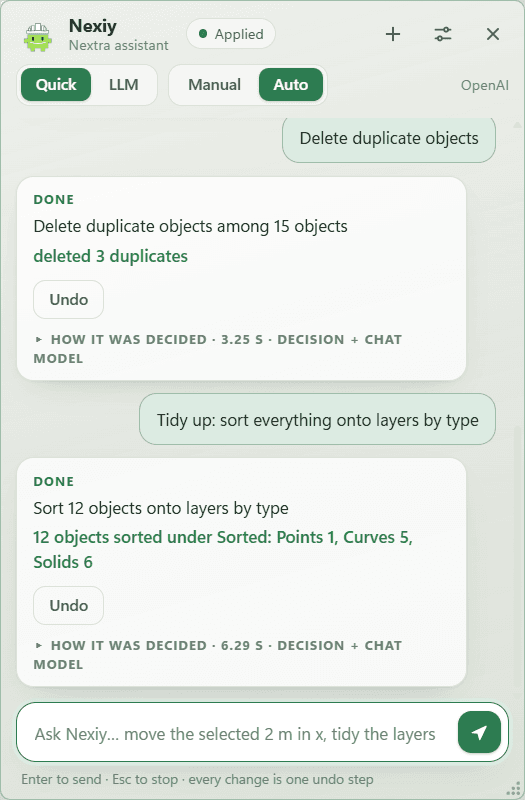
Tidy a messy Rhino model in four sentences
Empty layers, duplicate objects and everything on Default: Nexiy’s assistant in Quick mode cleaned it up in four sentences, each one an undo step, the first edit in 0.28 seconds.
Using the toolsRhino & Grasshopper
How-to20 Nov 2026
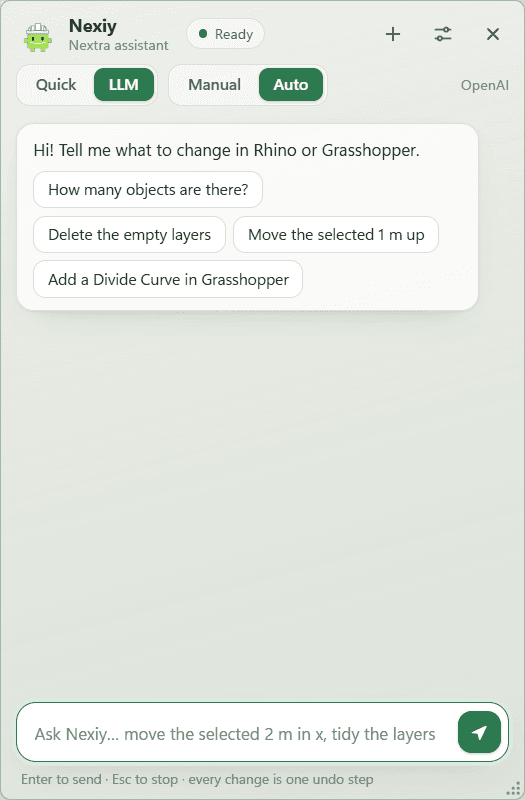
Set up Nexiy, the assistant in Rhino: your own key, your own CLI or your desktop app
Nexiy now opens an assistant panel inside Rhino. Set it up in a minute with your own OpenAI, Gemini, Claude or Jev key, with Claude Code, Codex or Gemini CLI, or keep using Claude or ChatGPT on your desktop.
Using the toolsNew technologyRhino & Grasshopper
How-to20 Nov 2026
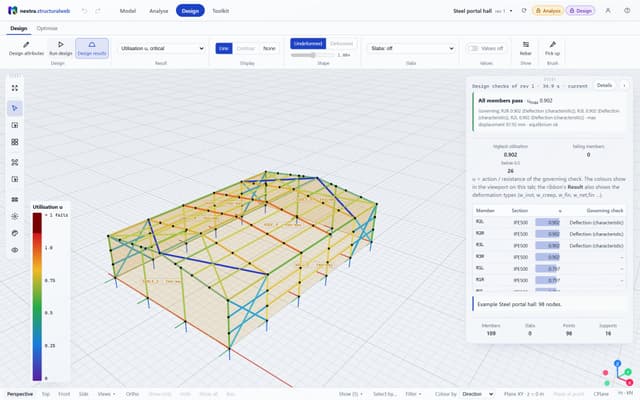
The structuralweb assistant, measured: 81 of 82 right, questions answered in under half a second
We test the assistant like the analysis engine: fixed requests with exact answers. The scorecard: accuracy and speed of three decision providers, questions answered from your model and results, workflows, and what it still gets wrong.
Using the toolsNew technologyStructuralweb
News20 Nov 2026
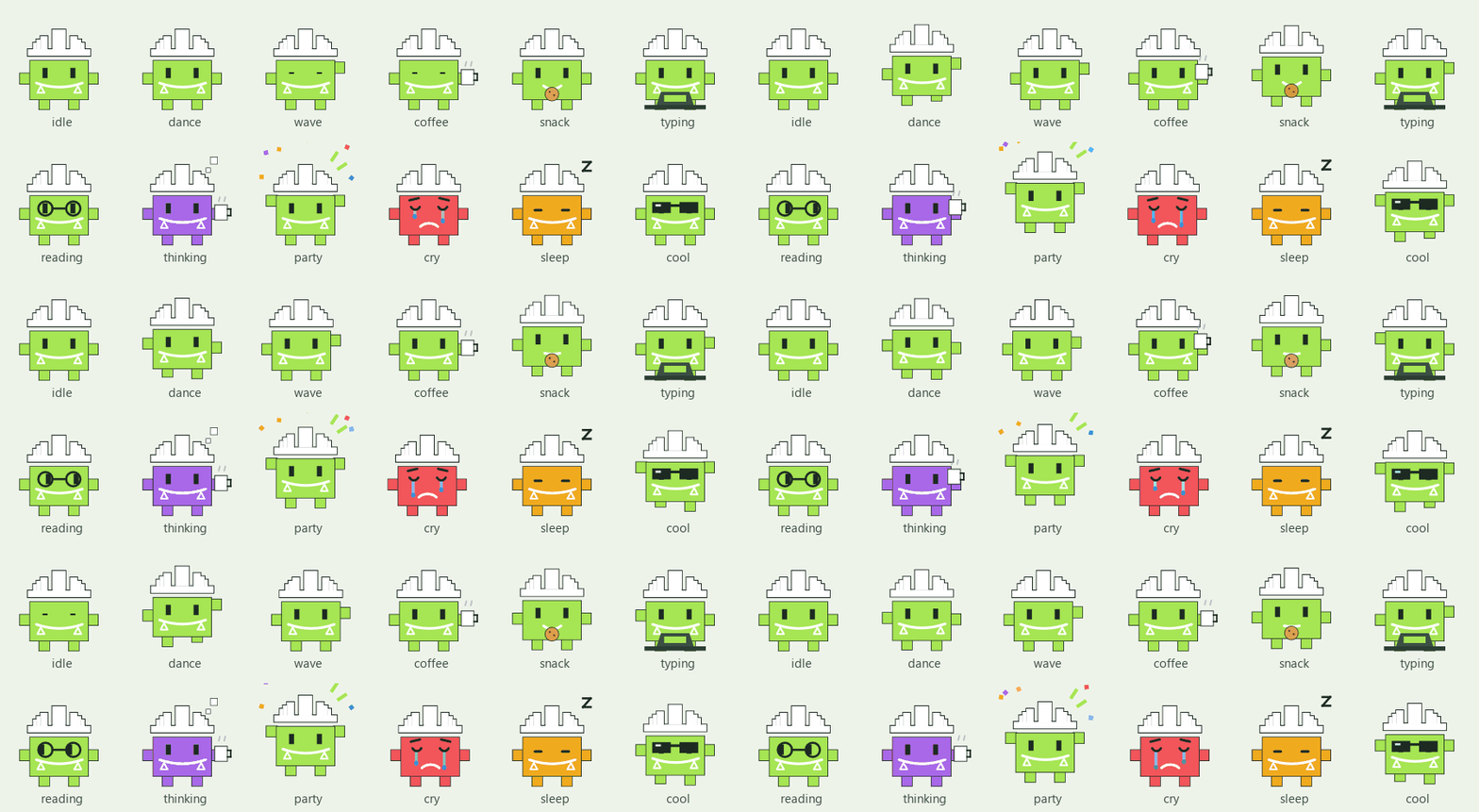
Meet Nexiy: the status dot in Rhino got a body
The green dot in the corner of Rhino is now Nexiy. It still shows the connection, it acts out what the AI is doing, and you choose how lively it is: from Calm to Chaos.
Using the toolsNew technologyRhino & Grasshopper
How-to16 Nov 2026
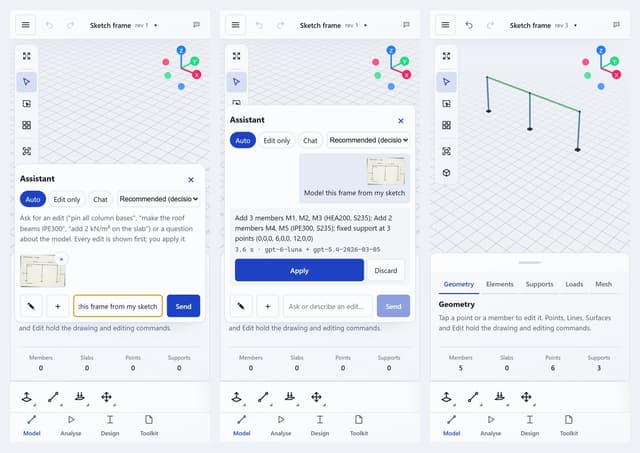
Photograph a sketch, get a 3D frame you can analyse: nextra.structuralweb on your phone
A hand sketch photographed on a phone becomes a 3D frame in three seconds, gets a load, is analysed with the Nextra Design engine and fixed by asking. How it works, why it is fast, and how to start.
Using the toolsFEM and analysisStructuralweb
How-to7 Nov 2026
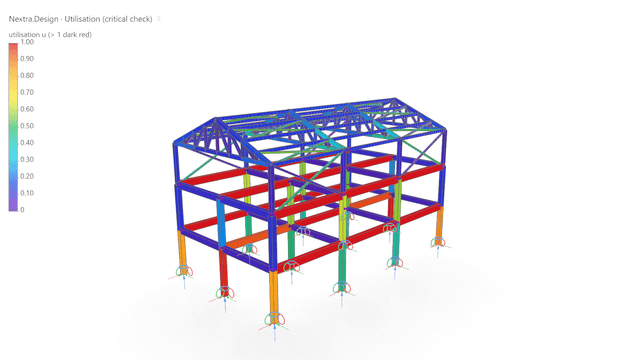
A timber hall on a concrete frame: two structures, two codes, one model
An existing concrete frame drawn in Rhino, a parametric timber truss hall on top in Grasshopper. Different material, code and structural system, designed in one run - and the sliders show what the hall does to the frame.
Using the toolsFEM and analysisProjects and case studiesDesign
How-to7 Nov 2026
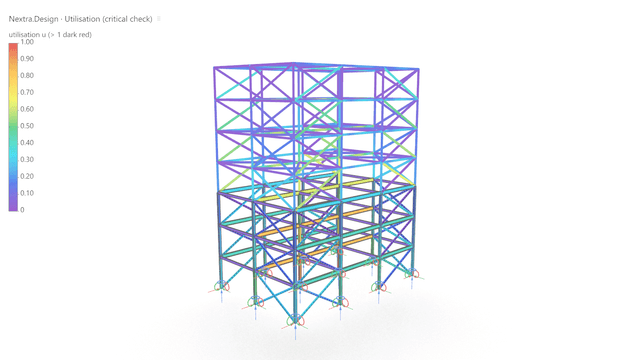
How many storeys can it take? An existing building in Rhino, the optopping in Grasshopper
The existing steel building is drawn once in Rhino and never changes. The new timber storeys on top are a Grasshopper study. Nextra Design checks the whole building at once, so every option shows what it does to the existing columns and beams.
Using the toolsFEM and analysisProjects and case studiesDesign
How-to7 Nov 2026
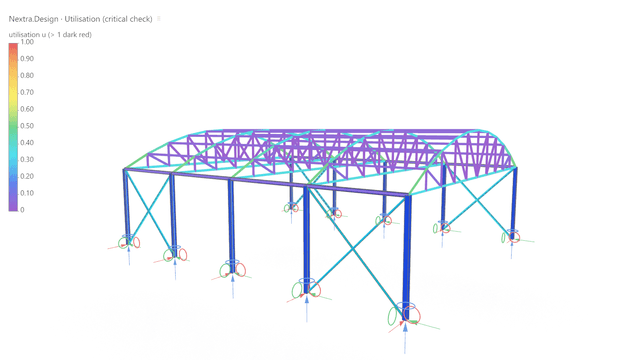
Rhino for what is fixed, Grasshopper for what changes: a steel hall in one analysis
Columns and bracing drawn once in Rhino, a parametric roof truss in Grasshopper, and Nextra Design's Both mode analyses and designs them as one structure. Move a slider and the whole hall is checked again.
Using the toolsFEM and analysisProjects and case studiesDesign
How-to7 Nov 2026
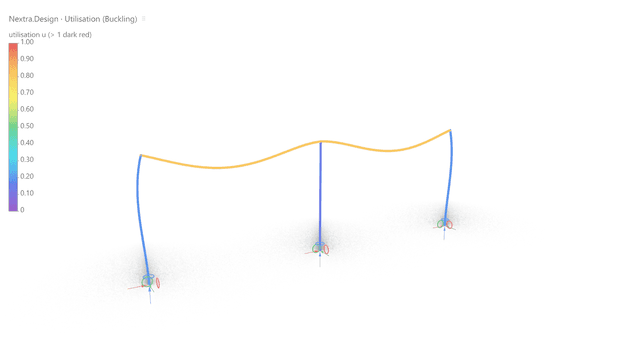
Claude or ChatGPT builds and designs it: Rhino, Grasshopper or both
The Nextra Design skill lets your AI app build the structural model, run the Eurocode design and show you the results, in Rhino, in Grasshopper or both at once. Tested with a small model.
Using the toolsFEM and analysisDesignRhino & Grasshopper
How-to25 Oct 2026
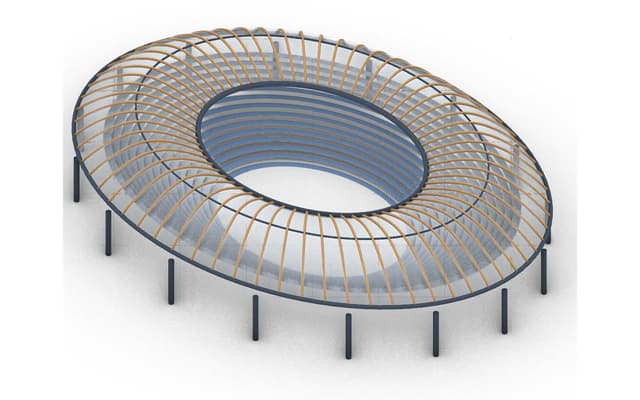
From one sentence to a stadium roof in Rhino
How a plain request becomes a 64-rib timber roof in your open Rhino file, step by step.
Using the toolsProjects and case studiesRhino & Grasshopper
How-to25 Oct 2026
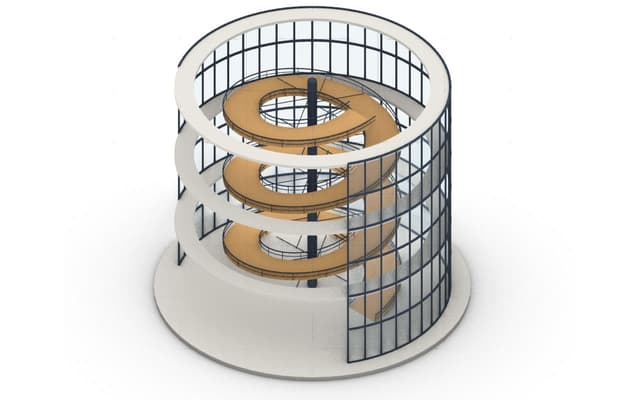
Six more things to ask Rhino for
A spiral ramp, a planted tower, an arch bridge, a gridshell and more, each from one sentence.
Using the toolsProjects and case studiesRhino & Grasshopper
How-to25 Oct 2026
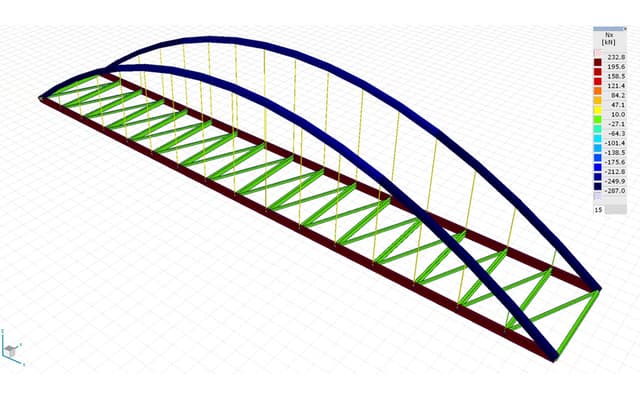
An arch bridge, analysed from a description
How a sentence becomes a model, an analysis and a picture of the axial forces in AxisVM.
Using the toolsFEM and analysisAxisVM
How-to25 Oct 2026
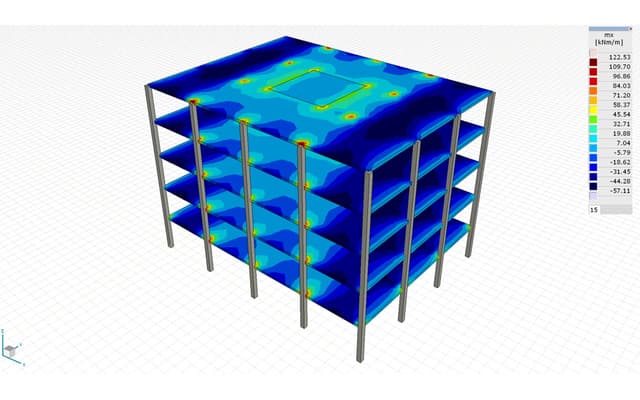
Five structures, five analyses: what you can ask AxisVM
Slab moments, a roof grid, a truss, a braced tower and a folded plate, each from one request.
Using the toolsFEM and analysisAxisVM
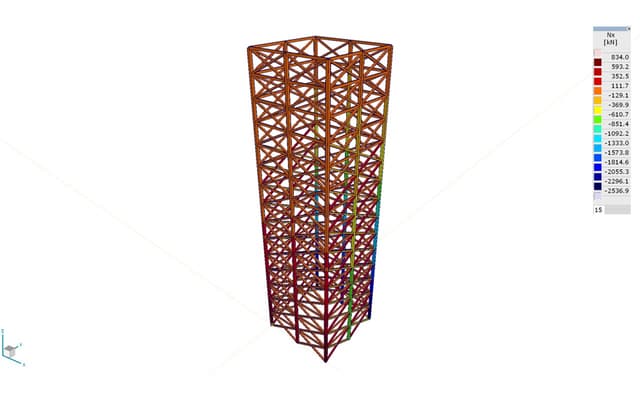
How-to25 Oct 2026
Build and analyse a frame in AxisVM
From an empty model to a deflection plot without touching the mouse.
Using the toolsAxisVM
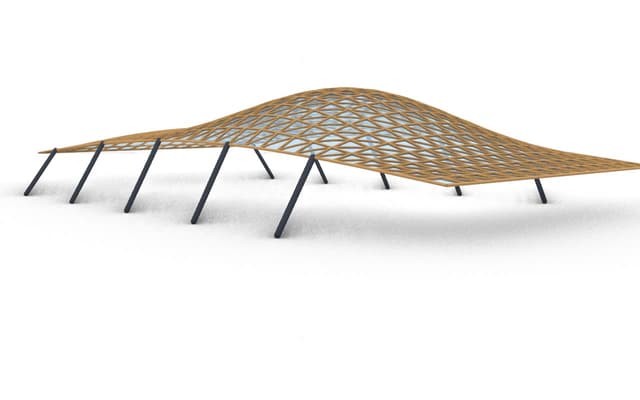
How-to25 Oct 2026
Your first model in Rhino, in one sentence
Open Rhino, ask for a timber tower, and see what comes back.
Using the toolsRhino & Grasshopper